

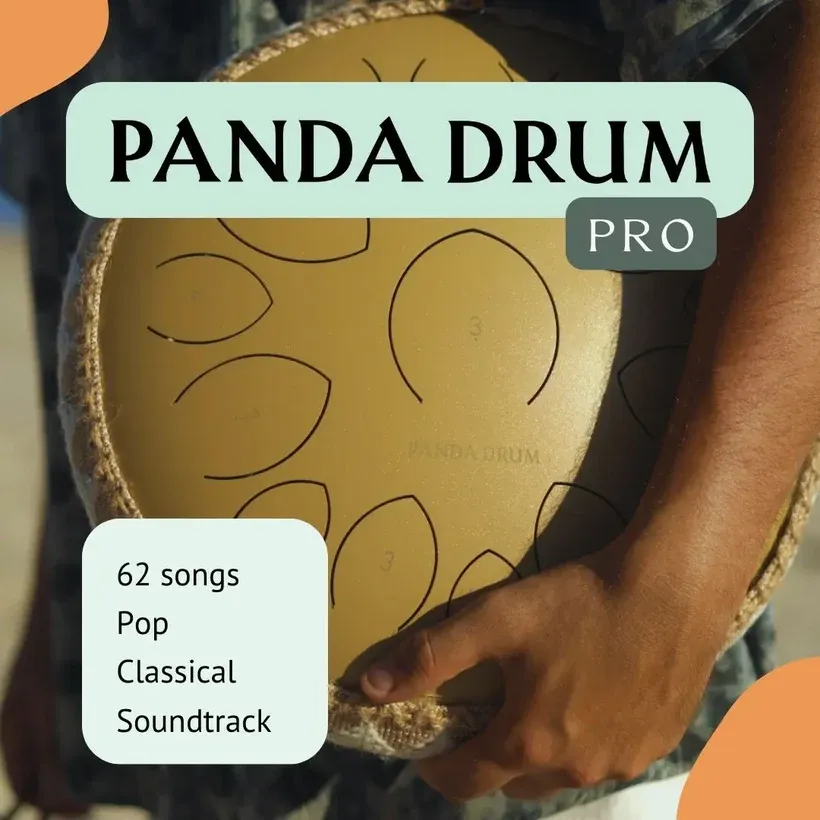



Panda Drum is a product that has been established based on the steel tongue drum, a contemporary percussion pitch instrument that gives a note-like sound when the metal tongues of the instrument are hit by hand or mallet. The steel tongue drum is a comparatively recent instrument in the acoustics literature, typically consisting of a sheet or tank of metal, the surfaces of which have had tongues cut into them to form various notes. Its simplicity is one of its strengths: it is accessible, it has a melody, and it can be explored by non-musical people.
The uniqueness of Panda Drum is the manner in which it packs that instrument to help people use it on a daily basis. The brand also offers its drums in its site as handcrafted steel tongue drums to all ages, but it puts a lot of emphasis on ease, calming sound, and giftability. The instruments are also placed in the homepage as appropriate to meditation, relaxation and use by the family, which says a lot about what experience the brand is promising customers: less performance anxiety, more immediate musical gratification.
The reason why the steel tongue drum has gained popularity.
The reason why the steel tongue drum has become popular is that the drum occupies a very friendly middle ground: it is easy to play musical, it does not require a number of years to train, and it is equally efficient in both casual and mindful playing. You do not have to possess high level of rhythm to create something pleasing as is the case with many percussion instruments. Even a couple of soft hits may form a bell-like phrase. This is one of the reasons why tongue drums are often related to meditation, yoga, classes, and music-making in quiet homesteads.
Panda Drum pitches itself on that pledge. The own brand pages focus on the sound of relaxation, the richness of the sound, and the easy play of the beginner. It also brings out that its instruments are to be small, robust, and simple to carry. They are practical selling points, but emotional ones: a customer is not simply buying a tool, but a point of low resistance to the creation of music.
A brand that is aimed at various types of players.
The ability of Panda Drum to delineate its product line is also one of the more interesting issues about this company. The site lists a smaller Mini model designed to suit kids, a Plus model to be the most versatile model and a larger Pro model to have a fuller and more resonant sound. That design indicates that the brand is attempting to appeal to multiple audiences simultaneously: parents in the market seeking a friendly musical gift, adults looking to relax with an instrument, and hobbyists seeking a more tonally diverse instrument.
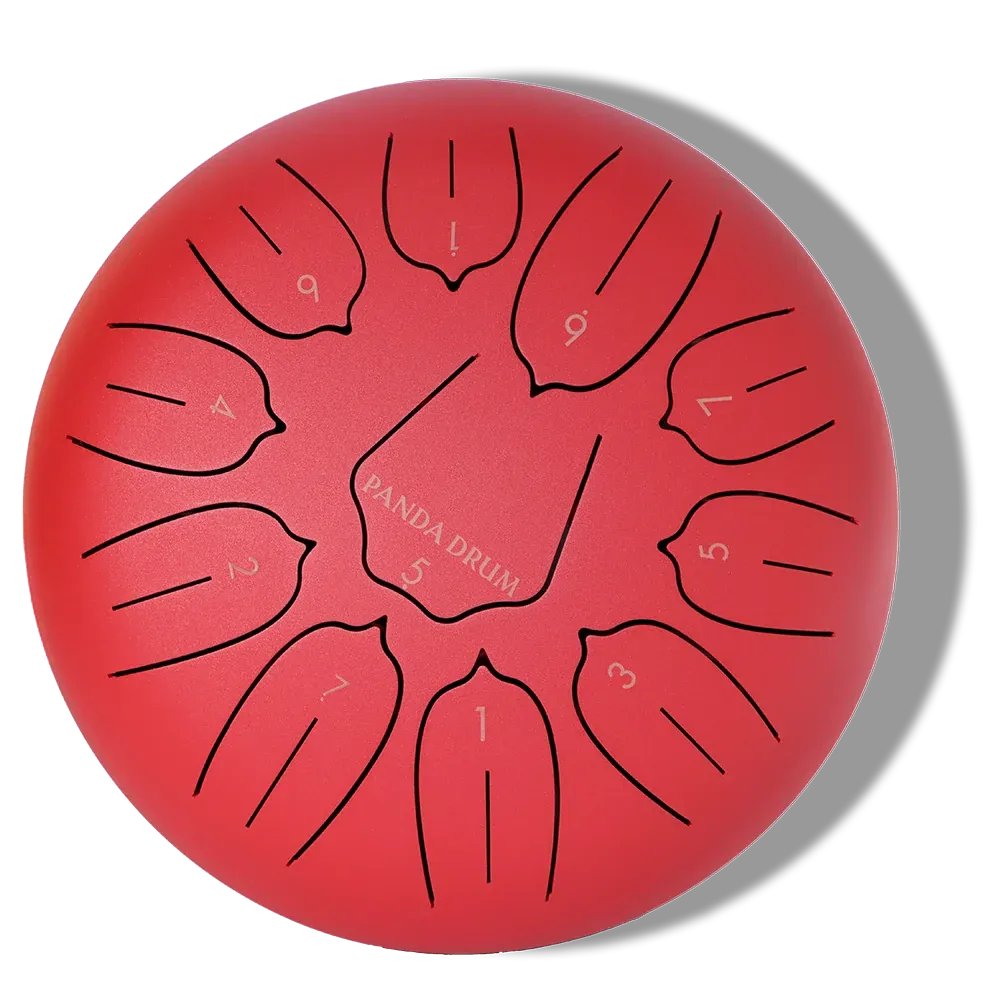
That is an intelligent step, as people visit tongue drums, due to various reasons. Others desire a screen free children activity. Others desire a mindfulness application. There are those who desire a beautiful object and one that can make music. The marketing of Panda Drum addresses each of these use cases, and the breadth of the latter is reflected in the reason why the brand has achieved a niche with the traditional musicians.
The music: what makes people say this is soothing.
The easiest way to think of a steel tongue drum, in case you have never heard one, is as a melodic percussion instrument with a warm and floating sound. The tongues on the instrument vibrate differently and the notes that come out tend to intertwine with each other in a manner that is not sharp but soft. The sonic character, which is a significant component of the brand identity in the case of the Panda Drum, constitutes a significant segment of the brand. The location of the instrument is repeatedly presented as relaxing, harmonious, and suitable to relax.
The association of the brand with wellness spaces is also attributed to that relaxing aspect. In February 2025, a Yoga Journal article referred to the Panda Drum as a mindfulness device and stated that reviewers on the internet referred to the sound as mesmerize and that some customers found it useful in helping to focus their minds and be more relaxed. Whether one is taking it as an actual meditation practice or just as a means of relaxation after a work day, what is so alluring about the instrument lies in how it can change the atmosphere of a room in such a short period of time.
The appeal is large in ease of use.
One of the reasons why the Panda Drum is so appealing to novices is that the instrument encourages curiosity at once. You do not have to worry about the complex fingerings and the breathing exercises. It is possible to experiment with tapping, repeating a pattern, or improvising. That is particularly appealing to children, amateur musicians and casual musicians, and adults who desire something musical without a heavy learning curve like with guitar or piano or other percussion instruments that are more technical. The self presentation of Panda drum lays emphasis on accessibility.
It is also a strong gift choice since there is a low barrier to entry. The location of the brand clearly offers the drum as an educational toy to children and testimonials facing the customer on the home page explain how children learn to pick melodies in haste. Such swift success is significant: once an instrument is rewarding during the first day, there are high chances that people will continue playing it.
What appears to be important to buyers.
The public review pages indicate that the customers are reacting to that blend of sound, simplicity and presentation. Trustpilot has ranked Panda Drum at 4.6 out of 5 TrustScore with 268 reviews, which represents an overall positive reaction by the customers who decided to leave feedback on the Trustpilot. It is not a replacement to actually play the instrument of course but it does suggest that the brand has a loyal following.
The brand also seems to have developed a lifestyle identity and not a product identity. Its location has testimonials of organizers of meditation retreats, parents, and people in the general population and they all drive the same point; that this is a tool of coolness, delight, and effortless creativity. Such storytelling is important in the wellness and gift market where emotion can be as important as the technical specifications.
Who Panda Drum is suitable to whom?
Panda Drum appears to be most appropriate to the audience that is aimed at having an intuitive and not a demanding musical experience. It suits amateurs, families, meditators and those who are attracted to ambient, resonant sound. It also fits naturally in the classroom, in therapy and in home practice environments where virtuosity is not the aim but participation. That is very evident in the positioning of the brand itself.
It might be not as attractive to players who desire a traditional drum kit feel, more advanced rhythmic range, and the requirement to play in loud ensemble environments. Another type of instrument is a steel tongue drum: it is not loud, more meditative, more melodic. It is that difference that makes Panda Drum appealing to one audience and less appealing to another.
Final thoughts
Panda Drum is successful in that it also knows about something rather simple but significant: not all the people simply want to create music, they want to feel relaxed when creating music. In wrapping the steel tongue drum as a convenient, beautiful and relaxing object, the brand has created a niche in the expanding gap between wellness, giving and amateur music-making. What comes out is a tool that is not as daunting as most of its counterparts and more welcoming than most individuals assume.
Panda Drum is an alternative in a world of complex hobbies and costly equipment: something that can be learned to sound beautiful in a short time, be visually appealing in a room, and where people are encouraged to play without stress. The latter is a significant portion of why steel tongue drums remain of interest, and why Panda Drum has become a household name in that field.


No Comments
Leave Comment